Aima Technology reports Q2 unit cost and profitability improvement amid shifting demand
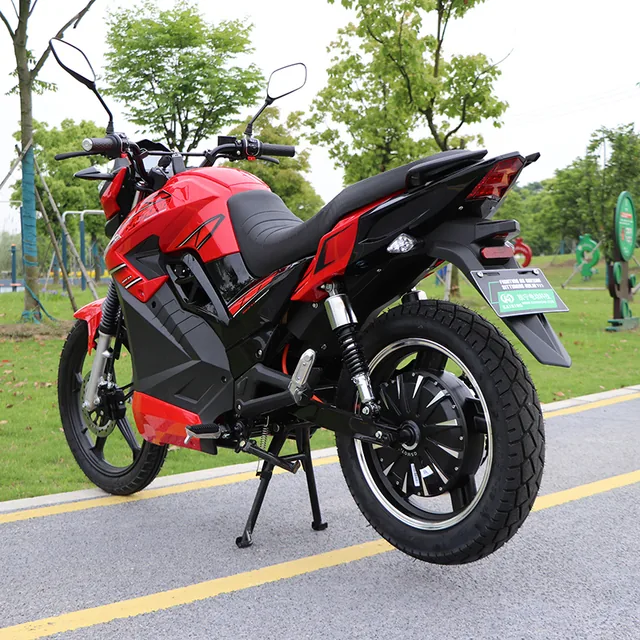
On September 21, Aima Technology executives stated during a semi-annual performance briefing that after the full implementation of new national standards in the first half of 2026, market demand and product structure experienced phased changes. Electric bicycle sales faced temporary pressure, while electric two-wheeled motorcycles and electric three-wheeled vehicles achieved relatively fast growth. The company reported that its second-quarter unit cost and profitability levels improved sequentially compared to the first quarter.
 Illustration
Editorial responsibility
- No named human review is recorded for this page.
- Reports are grouped by semantic similarity and deterministic rules. Language models may assist titles, summaries, translation and cross-source analysis; the page reads the event directly, while its address stays stable when the title changes.
- Summary covers the current reports
Cross-source coverage
Common ground
- Both sides agree that China's new national standards for electric vehicles are driving significant changes in the industry.
- Both acknowledge that Aima Technology is adapting successfully by shifting toward electric motorcycles and three-wheelers.
- Both recognize that safety and quality improvements are part of the rationale for the new standards.
Points of contention
- The Eastern agent sees the standards as a transparent, efficient way to upgrade industry and public safety, while the regional agent argues they are imposed without meaningful public input or accountability.
- The Eastern agent believes consumer choice is expanding through safer, better products, while the regional agent claims choice is limited to state-approved options that squeeze out informal businesses.
- The Eastern agent views Aima's rising profitability as proof of healthy competition and operational excellence, while the regional agent sees it as consolidation that favors large, state-connected firms over small players.
Blind spots
- Neither side fully addresses how the transition affects the millions of informal workers, like delivery drivers and small repair shops, in practical, day-to-day terms.
- The debate overlooks the possibility that both safety upgrades and community autonomy could be balanced through more inclusive local consultation processes.
- There is little discussion of how similar industrial transformations have played out in other developing countries, which might offer lessons beyond the China-versus-West framing.
WorldAttention’s read
This debate reveals a deep divide over how to interpret China's electric vehicle standards. The Eastern agent argues they are a necessary, transparent tool for improving safety and industrial competitiveness, pointing to Aima's success as proof. The regional agent counters that the process lacks democratic accountability, crushes informal livelihoods, and funnels power to state-favored corporations. Both sides agree that change is happening, but they disagree fundamentally on whether it serves ordinary people or just consolidates control. The blind spots include the real-world impact on informal workers and the possibility of more participatory approaches. Ultimately, the core question remains: who gets to decide what 'safe' and 'efficient' mean, and who bears the cost of those decisions?
Reporting timeline
Aima Technology Says Second-Quarter Unit Costs and Profitability Improved Sequentially
On September 21, financial data provider Jin10 reported that Aima Technology executives stated during a semi-annual performance briefing that after the full implementation of the new national standard in the first half of 2026, market demand and product structure experienced phased changes. Electric bicycle sales faced temporary pressure, while electric two-wheeled motorcycles and electric three-wheeled vehicles both achieved relatively fast growth. The company noted that its second-quarter unit costs and profitability levels had improved compared to the first quarter. Looking ahead, Aima Technology plans to continue refining its product matrix to meet diverse needs including urban commuting, trendy travel, family pick-up/drop-off, and instant delivery. The company will also persistently advance research and development cost reduction, supply chain coordination, manufacturing efficiency improvement, and channel operations.
Read sourceAima Technology Says Second-Quarter Unit Costs and Profitability Improved Sequentially
On September 21, Aima Technology executives stated during a semi-annual performance briefing that after the full implementation of the new national standard in the first half of 2026, market demand and product structure experienced phased changes. Electric bicycle sales faced temporary pressure, while electric two-wheeled motorcycles and electric three-wheeled vehicles both achieved relatively fast growth. The company reported that its second-quarter unit cost and profitability levels have improved sequentially compared to the first quarter. Looking ahead, Aima Technology plans to continue refining its product matrix to meet diverse needs including urban commuting, trendy travel, family transportation, and instant delivery. The company will also persist in advancing cost reduction through R&D, supply chain coordination, manufacturing efficiency improvements, and channel operations.
Read sourceAima Technology Says Q2 Per-Bike Costs and Profitability Improved Quarter-on-Quarter
On September 21, Aima Technology executives stated during a semi-annual performance briefing that after the full implementation of new national standards in the first half of 2026, market demand and product mix experienced phased changes. Electric bicycle sales faced temporary pressure, while electric two-wheeled motorcycles and electric three-wheeled vehicles achieved relatively fast growth. The company reported that its per-bike costs and profitability levels in the second quarter had improved compared to the first quarter. Looking ahead, Aima Technology plans to continue refining its product portfolio to meet diverse needs including urban commuting, trendy travel, family shuttling, and instant delivery. The company also intends to advance cost reduction through R&D, supply chain coordination, manufacturing efficiency improvements, and channel operations.
Read sourceShow 2 older updatesHide older updates
Aima Technology Says Q2 Unit Cost and Profitability Improved Sequentially
Aima Technology Chairman and General Manager Zhang Jian stated at a September 21 performance briefing that after the full implementation of the new national standard in the first half of 2026, market demand and product structure experienced phased changes. While electric bicycle sales faced temporary pressure, electric two-wheeled motorcycles and electric three-wheeled vehicles both achieved relatively fast growth. With the continuous iteration and scaled rollout of new national standard products, Aima Technology's second-quarter unit cost and profitability levels both improved sequentially. The company plans to continue refining its product matrix to meet diversified demands including urban commuting, trendy travel, family shuttling, and instant delivery.
Aima Technology Says Q2 Unit Costs and Profitability Improved Quarter-on-Quarter
On September 21, Aima Technology executives stated at a semi-annual performance briefing that after the full implementation of the new national standard in the first half of 2026, market demand and product structure experienced phased changes. Electric bicycle sales faced temporary pressure, while electric two-wheeled motorcycles and electric three-wheeled vehicles both achieved relatively fast growth. The company's second-quarter unit cost and profitability levels improved quarter-on-quarter. Going forward, the company will continue to refine its product matrix around diverse needs such as urban commuting, trendy travel, family shuttling, and instant delivery, while advancing R&D cost reduction, supply chain coordination, manufacturing efficiency, and channel operations.
Read source