global edition · 2026-07-15
All BriefingsDaily Briefing — July 15, 2026
10 evidence-backed stories shaping the day.
Story at a glance
Nikkei Hits Record High on Hopes of Strait of Hormuz Reopening
What happened
World stocks dipped and oil prices rose after President Trump threatened a levy related to the Strait of Hormuz.
Inspect 1 cited report
World stocks dip as oil rises after Trump's Hormuz levy threat
Original excerpt
publication date:2026-07-14 08:50:54  # World stocks dip as oil rises after Trump's Hormuz levy threat By Nell Mackenzie and Gregor Stuart Hunter Tue, July 14, 2026 at 1:50 AM PDT 3 min re
Open original report
Why it matters · interpretation
The threat of a levy marks a reversal from the US-Iran negotiations that had previously driven the Nikkei to a record high on hopes of the strait's reopening, now injecting new uncertainty into global markets and energy prices.
Inspect 1 cited report
World stocks dip as oil rises after Trump's Hormuz levy threat
Original excerpt
publication date:2026-07-14 08:50:54  # World stocks dip as oil rises after Trump's Hormuz levy threat By Nell Mackenzie and Gregor Stuart Hunter Tue, July 14, 2026 at 1:50 AM PDT 3 min re
Open original report
Story at a glance
US-Iran Tensions Drive Treasury Yield Volatility and Oil Price Swings
What happened
Treasury yields rose and oil futures rallied nearly 10% after President Trump revived the naval blockade in the Strait of Hormuz, according to a report published on July 13. The sell-off in bonds occurred ahead of the June CPI release, which was expected to show a decline in energy costs tied to earlier peace talks—a decline now largely undone by the renewed escalation.
Inspect 1 cited report
Treasurys Sell Off as Oil Rallies on Renewed U.S. Blockade
Original excerpt
publication date:2026-07-13 19:53:00  --- Listen (3 min) 1546 ET – Treasury yields rise as oil futures rally nearly 10% after President Trump revived the naval blockade in Hormuz. June CPI is due tomorrow and expected to reflect a decline in energy costs linked to peace talks. That decline is greatly undone by the recent escalade in tensions. The WSJ Dollar Index rises 0.2%. Tradeweb note
Open original report
Why it matters · interpretation
The renewed blockade and accompanying oil-price surge threaten to reverse the disinflationary energy trends that were anticipated in the upcoming CPI data, potentially complicating the Federal Reserve's policy path by keeping inflation pressures elevated.
Inspect 1 cited report
Treasurys Sell Off as Oil Rallies on Renewed U.S. Blockade
Original excerpt
publication date:2026-07-13 19:53:00  --- Listen (3 min) 1546 ET – Treasury yields rise as oil futures rally nearly 10% after President Trump revived the naval blockade in Hormuz. June CPI is due tomorrow and expected to reflect a decline in energy costs linked to peace talks. That decline is greatly undone by the recent escalade in tensions. The WSJ Dollar Index rises 0.2%. Tradeweb note
Open original report
Story at a glance
FBI Investigates Argentine Football Association for Money Laundering and Fraud
What happened
U.S. federal prosecutors and FBI agents have been interviewing former Argentine Football Association (AFA) executives in recent months, focusing on the financial operations under current president Claudio Tapia and vice president Pablo Toviggino. Investigators are particularly interested in former federal council executive president Juan Bicen, who alongside Toviggino allegedly orchestrated a scheme using shell companies and fake invoices for logistics services to move millions of dollars between Argentina and the United States.
Inspect 1 cited report
民族报:FBI继续挖阿根廷足协洗钱案,已约谈部分前足协高层
Original excerpt
<p></p><div><img src="https://i3.hoopchina.com.cn/news-editor/4f9183c60e07f14d0fdcec767126f94b_w_1290_h_727_.jpeg?x-oss-process=image/format,png" /></div><p>虎扑07月15日讯 据阿根廷《民族报》报道,最近几个月,美国联邦检察官与联邦调查局(FBI)特工频繁接触阿根廷足协的前任高管。据知情人士透露,美方的目标非常明确:从内部瓦解并重建阿根廷足协的决策结构与资金往来图谱,重点调查现任主席塔皮亚和副手巴勃罗-托维吉诺领导下的财务运作。</p><p><strong>内部知情人的“倒戈”</strong></p><p>美国司法部调查人员目前对一个人表现出了极大的兴趣——阿根廷足协联邦委员会前执行主席胡安-比肯。比肯曾担任托维吉诺的左右手多年,深度参与了足协在阿根廷与美国之间数百万美元的资金往来。</p><p>根据《民族报》掌握的证据,比肯与托维吉诺曾共同指挥了一套复杂的财务操作。他们通过几家“壳公司”,以所谓的“物流服务”为名开具虚假发票。
Open original report
Why it matters · interpretation
The direct questioning of former AFA insiders signals an effort by U.S. authorities to map the association's internal decision-making and financial flows from within, potentially building a case against its current top leadership. The focus on Juan Bicen, a former close aide to the vice president, suggests prosecutors are targeting individuals with detailed knowledge of the alleged shell-company invoicing system, which could accelerate the investigation's impact on the AFA's governance.
Inspect 1 cited report
民族报:FBI继续挖阿根廷足协洗钱案,已约谈部分前足协高层
Original excerpt
<p></p><div><img src="https://i3.hoopchina.com.cn/news-editor/4f9183c60e07f14d0fdcec767126f94b_w_1290_h_727_.jpeg?x-oss-process=image/format,png" /></div><p>虎扑07月15日讯 据阿根廷《民族报》报道,最近几个月,美国联邦检察官与联邦调查局(FBI)特工频繁接触阿根廷足协的前任高管。据知情人士透露,美方的目标非常明确:从内部瓦解并重建阿根廷足协的决策结构与资金往来图谱,重点调查现任主席塔皮亚和副手巴勃罗-托维吉诺领导下的财务运作。</p><p><strong>内部知情人的“倒戈”</strong></p><p>美国司法部调查人员目前对一个人表现出了极大的兴趣——阿根廷足协联邦委员会前执行主席胡安-比肯。比肯曾担任托维吉诺的左右手多年,深度参与了足协在阿根廷与美国之间数百万美元的资金往来。</p><p>根据《民族报》掌握的证据,比肯与托维吉诺曾共同指挥了一套复杂的财务操作。他们通过几家“壳公司”,以所谓的“物流服务”为名开具虚假发票。
Open original report
Story at a glance
Yann Sommer Leaves Inter Milan, Signs with Club Brugge
What happened
Club Brugge announced the signing of Yann Sommer on a contract until 2029, confirming the free transfer after his departure from Inter Milan.
Inspect 3 cited reports
Mercato : libre après son départ de l'Inter, Yann Sommer s'engage avec le Club Bruges
Original excerpt
Le Club Bruges a trouvé le successeur de Simon Mignolet. Le champion de Belgique a annoncé ce mardi la signature de Yann Sommer, qui a paraphé un contrat jusqu'en 2029 après la fin de son aventure à l'Inter Milan. À 37 ans, l'ancien international suisse (94 sélections) sort de trois saisons réussies en Lombardie, marquées par deux titres de champion d'Italie et une finale de Ligue des champions en 2025. Après la Suisse, l'Allemagne et l'Italie, Sommer découvrira un quatrième Championnat en Belgi
Open original reportDreijahresvertrag: Ablösefreier Sommer schließt sich Brügge an
Original excerpt
Yann Sommer hat seine neue sportliche Heimat gefunden: Der 37-jährige Ex-Nationalkeeper unterschreibt beim belgischen Meister Club Brügge einen Vertrag bis 2029. Der erfahrene Schweizer Torhüter bleibt damit auch weiterhin auf höchstem europäischem Niveau aktiv.
Open original reportMercato : libre après son départ de l'Inter, Yann Sommer s'engage avec le Club Bruges
Original excerpt
Le Club Bruges a trouvé le successeur de Simon Mignolet. Le champion de Belgique a annoncé ce mardi la signature de Yann Sommer, qui a paraphé un contrat jusqu'en 2029 après la fin de son aventure à l'Inter Milan. À 37 ans, l'ancien international suisse (94 sélections) sort de trois saisons réussies en Lombardie, marquées par deux titres de champion d'Italie et une finale de Ligue des champions en 2025. Après la Suisse, l'Allemagne et l'Italie, Sommer découvrira un quatrième Championnat en Belgi
Open original report
Why it matters · interpretation
The move provides Club Brugge with an experienced successor to retired goalkeeper Simon Mignolet, bringing a player with two Serie A titles and a 2025 Champions League final appearance into the Belgian champions' squad.
Inspect 2 cited reports
Mercato : libre après son départ de l'Inter, Yann Sommer s'engage avec le Club Bruges
Original excerpt
Le Club Bruges a trouvé le successeur de Simon Mignolet. Le champion de Belgique a annoncé ce mardi la signature de Yann Sommer, qui a paraphé un contrat jusqu'en 2029 après la fin de son aventure à l'Inter Milan. À 37 ans, l'ancien international suisse (94 sélections) sort de trois saisons réussies en Lombardie, marquées par deux titres de champion d'Italie et une finale de Ligue des champions en 2025. Après la Suisse, l'Allemagne et l'Italie, Sommer découvrira un quatrième Championnat en Belgi
Open original reportMercato : libre après son départ de l'Inter, Yann Sommer s'engage avec le Club Bruges
Original excerpt
Le Club Bruges a trouvé le successeur de Simon Mignolet. Le champion de Belgique a annoncé ce mardi la signature de Yann Sommer, qui a paraphé un contrat jusqu'en 2029 après la fin de son aventure à l'Inter Milan. À 37 ans, l'ancien international suisse (94 sélections) sort de trois saisons réussies en Lombardie, marquées par deux titres de champion d'Italie et une finale de Ligue des champions en 2025. Après la Suisse, l'Allemagne et l'Italie, Sommer découvrira un quatrième Championnat en Belgi
Open original report
Story at a glance
Senator Mitch McConnell Hospitalized Amid Health Rumors and Renovations
What happened
Senator Mitch McConnell released a statement disclosing he was briefly unconscious after a fall and was treated for mild pneumonia, ending weeks of speculation about his condition.
Inspect 3 cited reports
Mitch McConnell breaks silence, said he was ‘briefly unconscious’ after a fall, got treated for mild pneumonia
Original excerpt
publication date:2026-07-13 16:43:21 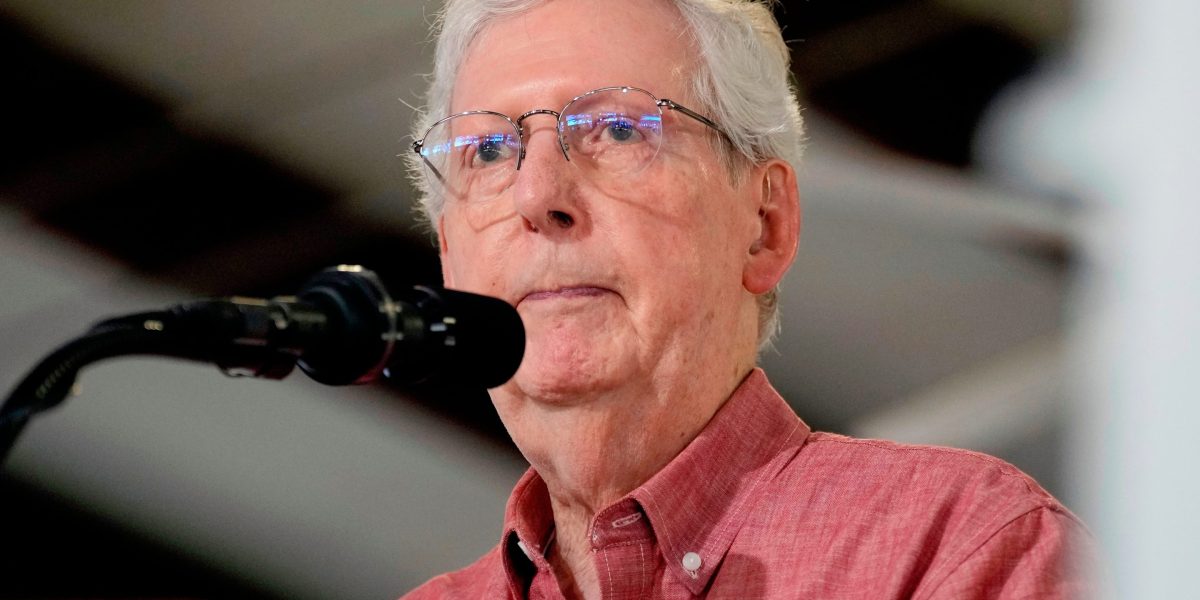 --- --- --- [Energy](https://fortune.com/section/energy/) [Mitsubishi](https://fortune.com/tag/mitsubishi/) [Mitsubishi takes over $7.5 billion in U.S. natural gas fields from Aethon, deepening Japanese bet on LNG a
Open original reportMitch McConnell breaks silence, said he was ‘briefly unconscious’ after a fall, got treated for mild pneumonia
Original excerpt
publication date:2026-07-13 16:43:21  --- --- --- [Politics](https://fortune.com/section/politics/) [Elections](https://fortune.com/tag/elections/) [Meet Dan Sullivan, the retired schoolteacher running for office who insists he’s not trolling sitting Se
Open original reportGOP Sen. Mitch McConnell ends frenzied speculation about his health, revealing a fall led to his hospitalization and he’s now in a rehab center
Original excerpt
publication date:2026-07-12 21:57:46 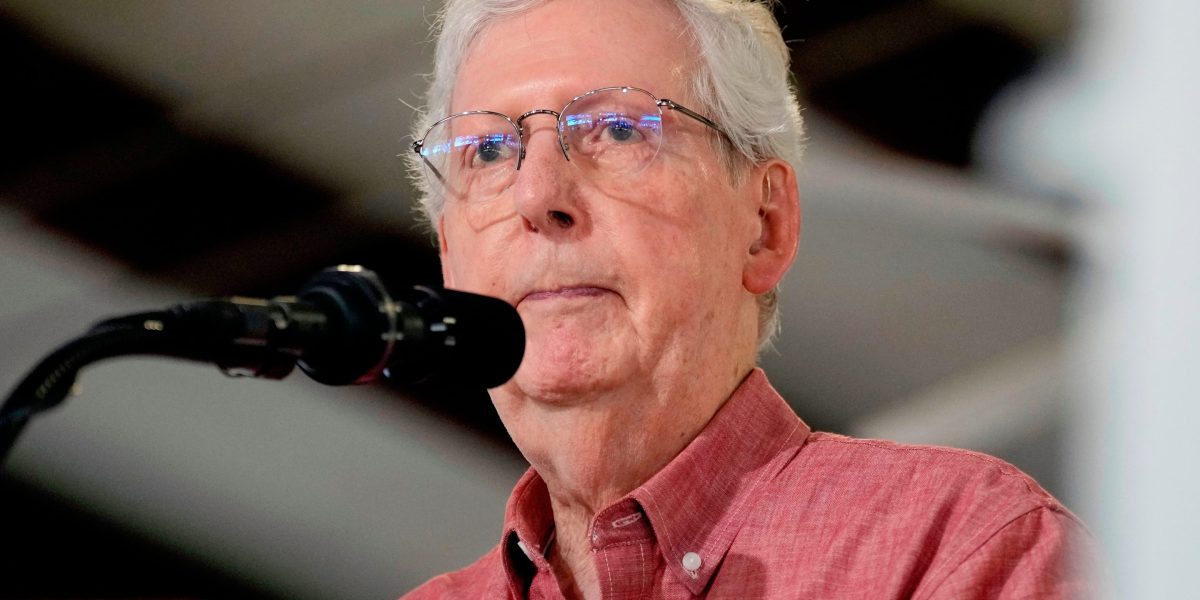 --- --- --- [Politics](https://fortune.com/section/politics/) [U.S. Senate](https://fortune.com/tag/u-s-senate/) [GOP Sen. Mitch McConnell ends frenzied speculation about his health, reveal
Open original report
Why it matters · interpretation
The senator's first public account of his hospitalization directly counters the unconfirmed rumors and demands for proof of life that had circulated among MAGA figures during his prolonged absence from public view.
Inspect 2 cited reports
MAGA Demands Proof Mitch McConnell Is Alive as His Office Stonewalls
Original excerpt
publication date:2026-07-07  Most Recent Post MAGA world is not satisfied with the excuses from Senator Mitch McConnell’s office over his sudden disappearance, and are now demanding proof that the former Senate majority leader is still alive. McConnell was [admitted to the hospital](https://newrepublic.com/
Open original reportGOP Sen. Mitch McConnell ends frenzied speculation about his health, revealing a fall led to his hospitalization and he’s now in a rehab center
Original excerpt
publication date:2026-07-12 21:57:46  --- --- --- [Politics](https://fortune.com/section/politics/) [U.S. Senate](https://fortune.com/tag/u-s-senate/) [GOP Sen. Mitch McConnell ends frenzied speculation about his health, reveal
Open original report
Story at a glance
MicroStrategy Resumes Bitcoin Purchases, Clarifies Net-Buyer Strategy
What happened
Strategy paused Bitcoin sales and shifted to building cash reserves, skipping Bitcoin purchases for a third consecutive week to accumulate $3 billion in cash.
Inspect 2 cited reports
Strategy Pads Cash Reserves to $3 Billion, Skipping Bitcoin Buy for Third Week
Original excerpt
publication date:2026-07-13 14:09:38  # Strategy Pads Cash Reserves to $3 Billion, Skipping Bitcoin Buy for Third Week  This copy is for your personal, non-commercial use only. Distribution and use of this material are governed by our Subscriber Agreement and by copyright law. For non-personal use or to order multiple copies, please contact Dow Jones Reprints at 1-800-843-0008 or visit www.djreprints.com. # Strategy Pauses Bitcoin Sales to Tap an Old Funding Source By
Open original report
Why it matters · interpretation
The pause in sales and accumulation of cash reserves signals a tactical shift away from the recent net-seller posture, which had raised concerns about the sustainability of its dividend obligations and overall business model.
Inspect 2 cited reports
Strategy Just Sold $216 Million of Bitcoin to Pay Its Dividends. Is Its Business Breaking?
Original excerpt
publication date:2026-07-10 10:12:00  # Strategy Just Sold $216 Million of Bitcoin to Pay Its Dividends. Is Its Business Breaking? Justin Pope, The Motley Fo
Open original reportStrategy Pads Cash Reserves to $3 Billion, Skipping Bitcoin Buy for Third Week
Original excerpt
publication date:2026-07-13 14:09:38  # Strategy Pads Cash Reserves to $3 Billion, Skipping Bitcoin Buy for Third Week  # Sensex declines by 561 points on surging oil, West Asia flare-up; banks, auto shares major drag ## Fresh foreign fund outflows and the rupee falling below 96 mark against the U.S. dollar also hit the sentiment, analysts said Published - Jul
Open original reportStock markets rebound in early trade; Sensex jumps 553 points
Original excerpt
publication date:2026-07-15 06:04:06  # Stock markets rebound in early trade; Sensex jumps 553 points ## The 30-share BSE Sensex jumped 553 points to 77,603.57 in early trade; The 50-share NSE Nifty went up by 148.15 points to 24,198.40 Published - July 15, 2026 11:34 am IST - MUMBAI PTI  # Sensex declines by 561 points on surging oil, West Asia flare-up; banks, auto shares major drag ## Fresh foreign fund outflows and the rupee falling below 96 mark against the U.S. dollar also hit the sentiment, analysts said Published - Jul
Open original reportStock markets rebound in early trade; Sensex jumps 553 points
Original excerpt
publication date:2026-07-15 06:04:06  # Stock markets rebound in early trade; Sensex jumps 553 points ## The 30-share BSE Sensex jumped 553 points to 77,603.57 in early trade; The 50-share NSE Nifty went up by 148.15 points to 24,198.40 Published - July 15, 2026 11:34 am IST - MUMBAI PTI  # Meta Platforms Stock Rises as Muse Spark 1.1 AI Model Debuts Leo Miller, MarketBeat Mon, July 13, 2026 at 11:10 AM PDT 5 min read - META - GOOG -
Open original reportMeta stock gains 15% in a week on AI model launches and Iris chip
Original excerpt
publication date:2026-07-10 18:45:06  # Meta stock gains 15% in a week on AI model launches and Iris chip  # Meta stock turns positive on the year
Open original report
Why it matters · interpretation
The stock's continued upward momentum and return to positive territory for the year suggest investors are increasingly pricing in the potential of Meta's AI initiatives, including the cloud business plan, to diversify revenue beyond advertising. The launch of the Muse Spark 1.1 model and new pricing strategies provide tangible signals of execution on that AI strategy.
Inspect 3 cited reports
Meta Platforms Stock Rises as Muse Spark 1.1 AI Model Debuts
Original excerpt
publication date:2026-07-13 18:10:00  # Meta Platforms Stock Rises as Muse Spark 1.1 AI Model Debuts Leo Miller, MarketBeat Mon, July 13, 2026 at 11:10 AM PDT 5 min read - META - GOOG -
Open original reportMeta stock gains 15% in a week on AI model launches and Iris chip
Original excerpt
publication date:2026-07-10 18:45:06  # Meta stock gains 15% in a week on AI model launches and Iris chip  # Meta stock turns positive on the year
Open original report
Story at a glance
Trump Administration Approves F110 Engine Sale to Turkey for Kaan Fighter
What happened
The Kremlin confirmed it is in contact with Turkey over the fate of Ankara's Russian-made S-400 air defense systems, while a Turkish columnist reported the systems have already been sold to an unnamed third country, possibly the UAE or Qatar.
Inspect 2 cited reports
Ankara verkauft russische S-400 – Ist der Weg jetzt frei für F-35 aus den USA?
Original excerpt
Der als regierungsnah beschriebene Kolumnist Abdulkadir Selvi erklärte vergangenen Freitag in der türkischen Tageszeitung Hürriyet, die Frage laute nicht mehr „Was wird aus den S-400?“, sondern „Was ist aus ihnen geworden?“. Seinen Informationen zufolge seien die russischen Flugabwehrsysteme bereits an einen Drittstaat verkauft, dies sei aber noch nicht offiziell bekannt gegeben worden. Als mögliche Käufer nannte Selvi die Vereinigten Arabischen Emirate oder Katar. Beide hatten zuletzt iranisch
Open original reportRussia Confirms Talks With Turkey Over Fate Of S-400s Amid F-35 Push
Original excerpt
The TWZ Newsletter Weekly insights and analysis on the latest developments in military technology, strategy, and foreign policy. The Kremlin today confirmed it’s in contact with Turkey over the fate of Ankara’s Russian-made S-400 air defense systems. Reports have emerged that Turkey could soon transfer the controversial missiles to an unnamed Gulf state in a move aimed at convincing Washington to lift sanctions and clear the way for Ankara’s return to the F-35 program. Asked Friday whether Tu
Open original report
Why it matters · interpretation
The reported sale or transfer of the S-400s removes a central obstacle to Turkey's return to the F-35 program and the lifting of U.S. sanctions, directly addressing the condition that led to Ankara's expulsion and ongoing congressional opposition.
Inspect 3 cited reports
Trump's pledge to lift Turkey sanctions sets up fight with Congress, allies
Original excerpt
President Trump is setting up a fight with Congress and regional allies over his announcement Tuesday that he will remove sanctions on Turkey and potentially welcome Ankara back into the F-35 fighter jet program, despite its possession of a Russian air defense system. Several GOP lawmakers have come out against Trump lifting sanctions on Turkey...
Open original reportAnkara verkauft russische S-400 – Ist der Weg jetzt frei für F-35 aus den USA?
Original excerpt
Der als regierungsnah beschriebene Kolumnist Abdulkadir Selvi erklärte vergangenen Freitag in der türkischen Tageszeitung Hürriyet, die Frage laute nicht mehr „Was wird aus den S-400?“, sondern „Was ist aus ihnen geworden?“. Seinen Informationen zufolge seien die russischen Flugabwehrsysteme bereits an einen Drittstaat verkauft, dies sei aber noch nicht offiziell bekannt gegeben worden. Als mögliche Käufer nannte Selvi die Vereinigten Arabischen Emirate oder Katar. Beide hatten zuletzt iranisch
Open original reportRussia Confirms Talks With Turkey Over Fate Of S-400s Amid F-35 Push
Original excerpt
The TWZ Newsletter Weekly insights and analysis on the latest developments in military technology, strategy, and foreign policy. The Kremlin today confirmed it’s in contact with Turkey over the fate of Ankara’s Russian-made S-400 air defense systems. Reports have emerged that Turkey could soon transfer the controversial missiles to an unnamed Gulf state in a move aimed at convincing Washington to lift sanctions and clear the way for Ankara’s return to the F-35 program. Asked Friday whether Tu
Open original report
Story at a glance
SK Hynix Reaches $1 Trillion Market Cap on AI Chip Boom
What happened
SK Hynix's latest bond sale attracted investor demand that exceeded the amount offered by $7 billion.
Inspect 1 cited report
Investors Wanted $7 Billion More of SK Hynix Than It Offered
Original excerpt
publication date:2026-07-14 11:20:00  # Investors Wanted $7 Billion More of SK Hynix Than It Offered Micah Zimmerman, The Motley Fool Tue, July 14, 2026 at 4:20 AM PDT 5 min read - SKHY
Open original report
Why it matters · interpretation
The oversubscription demonstrates sustained, intense investor confidence in the company's financial position and its central role in the AI memory chip market, translating its dominant HBM market share into concrete capital market advantage.
Inspect 1 cited report
Investors Wanted $7 Billion More of SK Hynix Than It Offered
Original excerpt
publication date:2026-07-14 11:20:00  # Investors Wanted $7 Billion More of SK Hynix Than It Offered Micah Zimmerman, The Motley Fool Tue, July 14, 2026 at 4:20 AM PDT 5 min read - SKHY
Open original report
Keep following
Turn a quick read into understanding
Select a passage to ask Page AI about it, or use “Explain key terms” and “Compare sources” in the Page AI panel.
Explore question tracking